How PR Professionals Can Protect Truth in the Digital Age
The Rise of Misinformation
Misinformation, disinformation, and fake news are on the rise, posing significant challenges for public relations professionals. False information can spread rapidly through social media platforms, online news outlets and influencers, making it more difficult to maintain public trust. After listening to the podcasts, The Rise of Misinformation and What It Means for Brand Storytellers and Truth, Trust & Trickery, it was clear that protecting organizational credibility, while also promoting factual and ethical communication, is no small task for modern PR professionals (The Rise of Misinformation, 2023; Truth, Trust & Trickery, 2024).
One of the most prominent themes discussed in these podcasts was the importance of trust. Because modern consumers are so wary of brands, governments and even news outlets, PR practitioners should emphasize truthfulness and consistency in messaging. Organizations that communicate truthfully during a crisis are more likely to maintain their credibility with the media. The Public Relations Society of America (PRSA) notes that ethical messaging is critical to establishing long-term relationships with clients and audiences (PRSA Code of Ethics, 2020). This is why PR practitioners need to ensure that any information being published by an organization is factual, validated and backed by proof before it is published.
Another key takeaway from the podcasts was how fast misinformation spreads on digital platforms. Social media algorithms are designed to amplify content that evokes strong emotions or controversy. This causes false narratives to spread faster and gain more traction than fact-based reporting. Therefore, PR professionals need to be swift in countering misinformation. Crisis communication planning is essential and should incorporate proactive social listening by monitoring online conversations and correcting misleading statements. A report from The Brookings Institution points out that unchecked misinformation can erode public trust and damage the reputation of organizations (Sanchez & Middlemass, 2022). PR teams that don’t act fast risk losing control of their organization’s image.
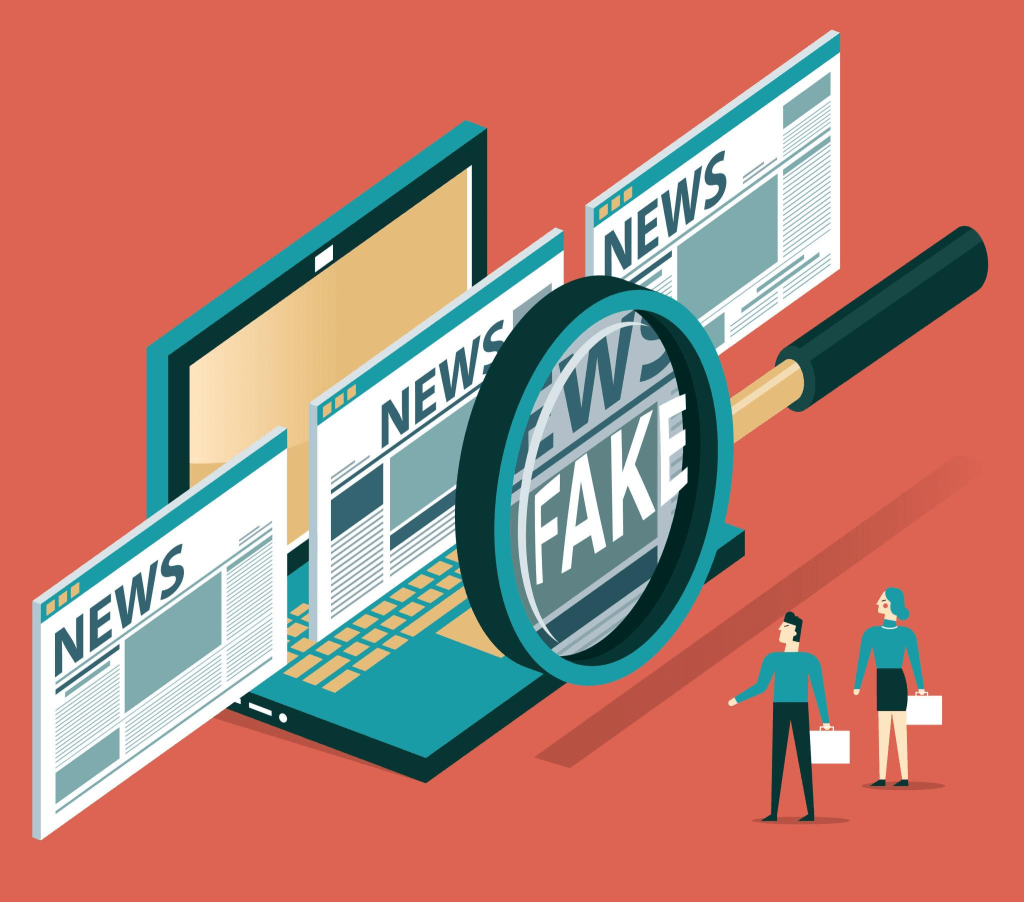
The podcasts also highlighted the importance of media literacy. PR professionals play a key role not only as communicators but also as educators. By encouraging critical thinking and providing reliable resources, they can assist audiences in recognizing false or misleading information. This role is growing particularly crucial as many individuals currently consume information quickly, without verifying facts. By sharing fact-based content and citing reputable experts, PR professionals can support audiences in making informed choices.
Practicing ethical PR also plays a major role in combating misinformation. The podcasts explored how some organizations deliberately distort stories to gain attraction and make money. Ethical PR professionals must avoid deceptive tactics and instead prioritize honesty and accountability. According to an article from PR Daily, transparency is one of the best ways organizations can maintain trust during periods of uncertainty (2024). Audiences are more likely to forgive mistakes when organizations openly acknowledge problems and provide truthful updates.
Conclusion
The issue of misinformation is a challenging one for public relations practitioners in general, but it highlights the importance of ethical communication. Public relation professionals have to maintain relationships, manage crises, work transparently, and know the media. They can use these skills to protect their organizations’ reputations while prioritizing truth. In this age of the rapid spread of misinformation, honest and responsible communication is more important now than ever.
References
PRSA. (2020, June 28). PRSA Code of Ethics. Www. https://www.prsa.org/professional-development/prsa-resources/ethics#code
Sanchez, G., & Middlemass, K. (2022, July 26). Misinformation is eroding the public’s confidence in democracy. Brookings; The Brookings Institution. https://www.brookings.edu/articles/misinformation-is-eroding-the-publics-confidence-in-democracy/
PR Daily. (2024). Why transparency matters in crisis communication. https://www.prdaily.com
The Rise Of Misinformation And What It Means For Brand Storytellers. (2023, October 19). Apple Podcasts. https://podcasts.apple.com/fi/podcast/the-rise-of-misinformation-and-what-it-means/id964108086?i=1000631924757
Truth, Trust & Trickery. (2024, January 31). Apple Podcasts. https://podcasts.apple.com/fi/podcast/truth-trust-trickery/id964108086?i=1000643704553


Leave a Reply