Crisis Communication: How Johnson & Johnson Navigated a Public Health Crisis
Transparency
One of the most important and emphasized tips when it comes to crisis communication in public relations is transparency. In both the Forbes article and Molly McPherson’s podcast on crisis management and communication, transparency is explained as a key component for maintaining public trust (Forbes, 2017; McPherson, 2021). When information is delayed, avoided, or hidden by an organization, they lose reliability and confidence of the public. However, when honesty and safety are prioritized through open communication, organizations are much more likely to recover from a crisis.
Many crises create uncertainty and fear in stakeholders, making transparency that much more necessary. Customers, investors, and the media are all searching for answers about what happened and how the company will operate going forward. Ethical public relations professionals prioritize timely, factual, and empathetic responses to these questions. According to Coombs, organizations that demonstrate accountability and openness are more likely to protect their reputations during crises (2007). This demonstrates how transparency can directly impact public reaction and a company’s survival.
Johnson & Johnson’s Response
One of the best examples of the value of transparency in crisis communication is the Johnson & Johnson 1982 Tylenol poisoning crisis. In this situation, cyanide-laced Tylenol capsules were accidentally sold in stores, causing several fatalities (Roos, 2022). The tampering that caused the lacing occurred outside of the company; however, Johnson & Johnson immediately prioritized public safety over their own profits. The company issued warnings to the nation, and recalled over 31 million bottles of Tylenol, taking full responsibility.
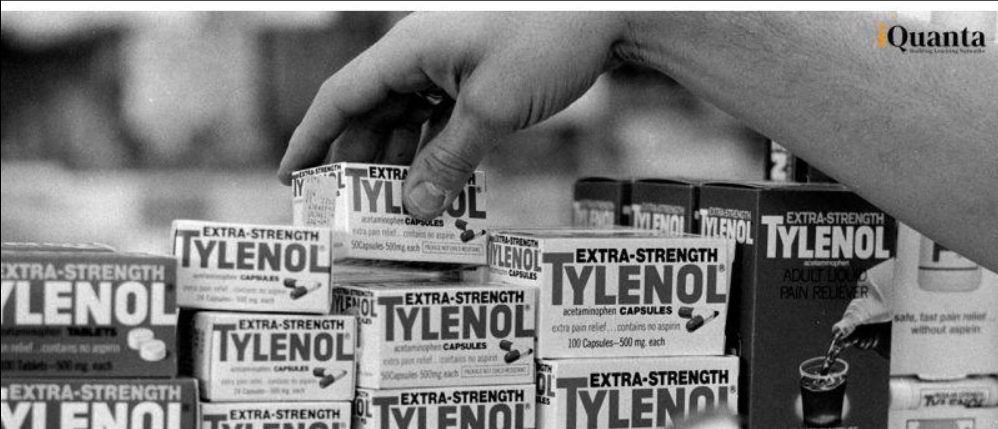
Johnson & Johnson made sure to communicate clearly and openly with the public throughout this scandal. Instead of trying to deny responsibility or minimize the situation, they acknowledged the tragedy and focused on protecting consumers. The company’s fast and thorough response enabled it to survive and is still considered one of the most effective examples of crisis management in PR today. As a result of the scandal, the company also implemented tamper-resistant packaging (Roos, 2022). This later became a necessary industry standard.
This is just one great example of how transparency can positively influence the public’s opinion about a crisis. Many news outlets praised the organization’s sense of responsibility and its commitment to customer safety. Despite the crisis’s casualties, Johnson & Johnson was eventually able to regain its reputation due to its transparency. This is why ethical PR professionals stress the importance of accountability and honest communication during crises.
Conclusion
A company’s use of crisis communication can determine its ability to recover from scandals and reputational damage. Transparency is one of the most effective crisis communication strategies because it helps organizations maintain trust and credibility. Johnson & Johnson’s response to the Tylenol crisis demonstrates the importance of consumer-focused decision-making and how companies can benefit from it during a scandal. During crises, public relations professionals must remember that consumers, investors, and the media all value accountability and truthful communication above all else.
References
Coombs, W. T. (2007). Protecting organization reputations during a crisis: The development and application of situational crisis communication theory. Corporate Reputation Review, 10(3), 163–176. https://doi.org/10.1057/palgrave.crr.1550049
Roos, D. (2022, October 3). How the 1982 Tylenol Poisonings Nearly Canceled Halloween | HISTORY. HISTORY. https://www.history.com/articles/extra-strength-tylenol-poisonings-1982
Council, F. A. (2017, June 20). 13 Golden Rules Of PR Crisis Management. Forbes. https://www.forbes.com/sites/forbesagencycouncil/2017/06/20/13-golden-rules-of-pr-crisis-management/#791714d21bcf
McPherson, M. (Host). (2021). Crisis communications with Molly McPherson. The PR Podcast. Retrieved from https://anchor.fm/theprpodcast/episodes/32–Crisis-Communications-with-Molly-McPherson–Author-of-Indestructible-e10g938/a-a5gi1f9


Leave a Reply